Nezahualcóyotl
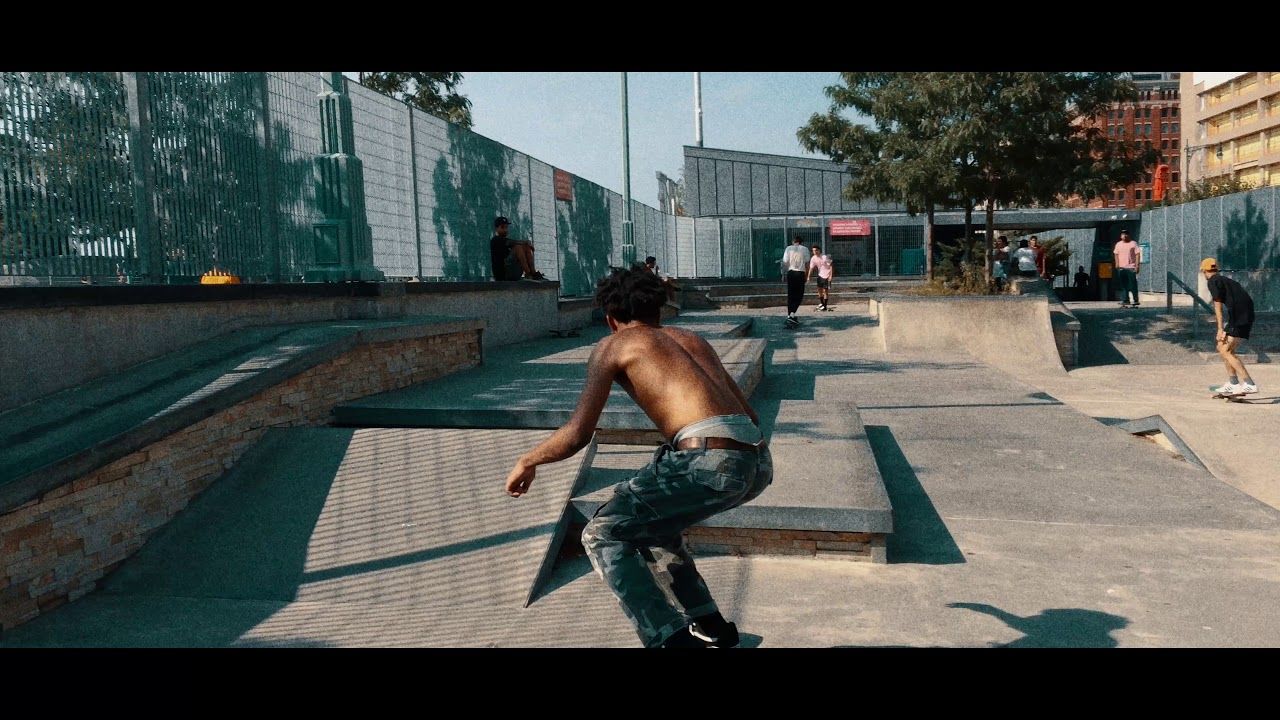
Street intelligence, survival, poetry, labor, family memory, improvisation, and the force of the urban edge.
Self-taught interdisciplinary artist · Photography · Moving image · Material systems
Palma
I work with systems that remember.
Work
Images, field studies, and visual systems shaped by place, pressure, memory, and transformation.
Route
Geography is method. Nezahualcóyotl, Astoria, and Los Angeles.
Uto-Aztecan branches
Documented ranges of a language family. Numic, Takic, Hopi, and Tubatulabal are Northern. The others are Southern. Not national borders, and not a claim of land or authority.
Based in Los Angeles, CA
Nezahualcóyotl
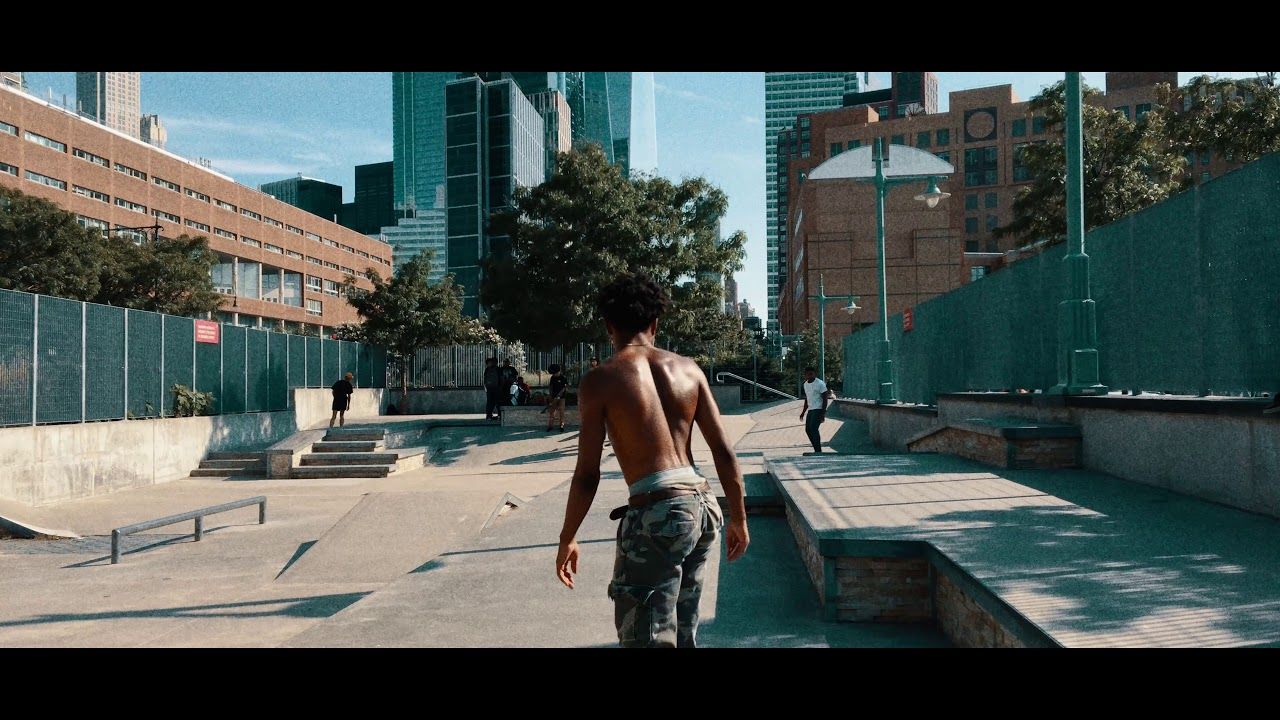
Street intelligence, survival, poetry, labor, family memory, improvisation, and the force of the urban edge.
Astoria
Bridges, waterfront, infrastructure, trains, neighbors, industrial residue, and photography as everyday witness.
Los Angeles
Distance, basin geography, river systems, construction, migration, Southern California language history, cinematic space, and new forms of relation.
01
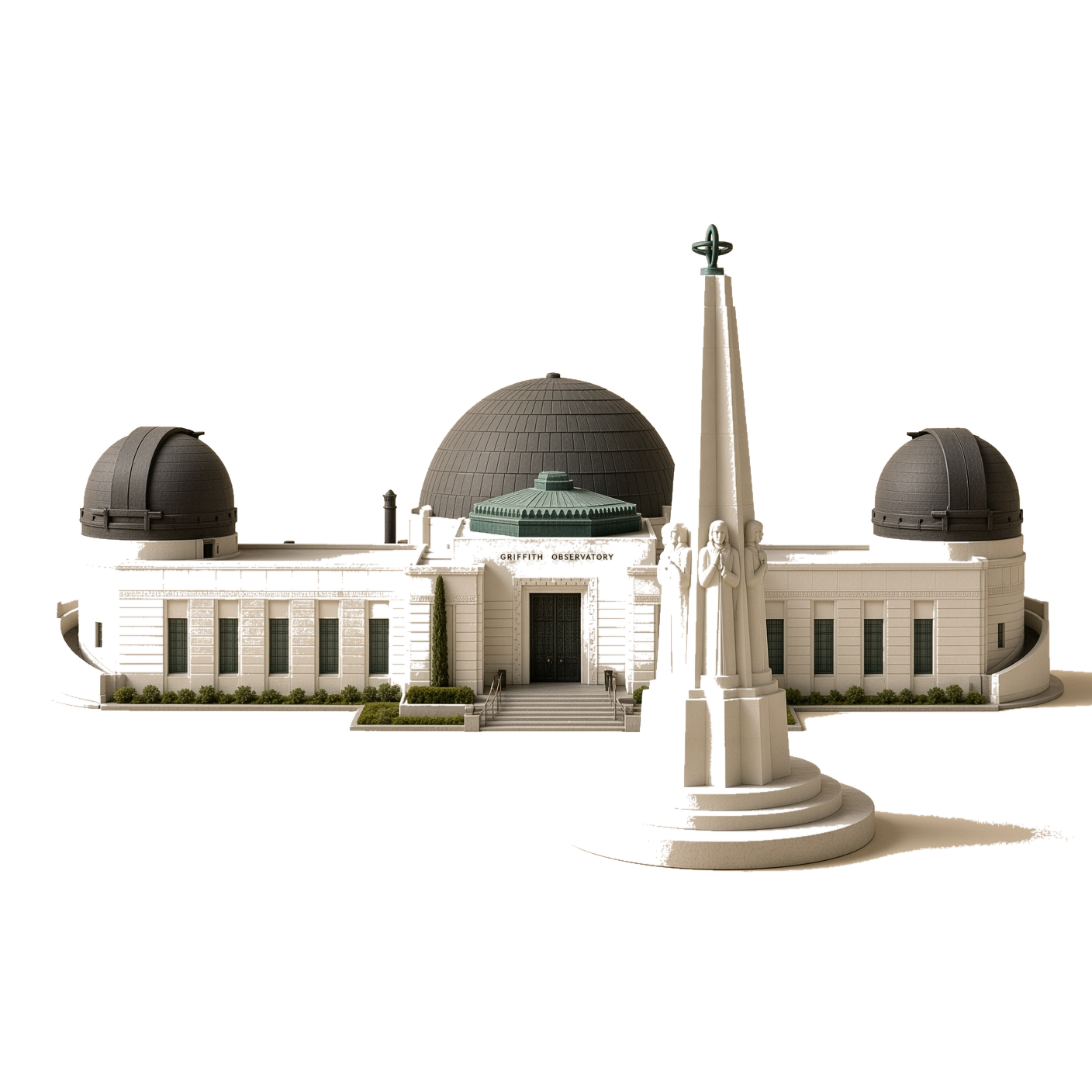
Los Angeles, CA
34°08′N 118°19′W
Based in Los Angeles, CA
02
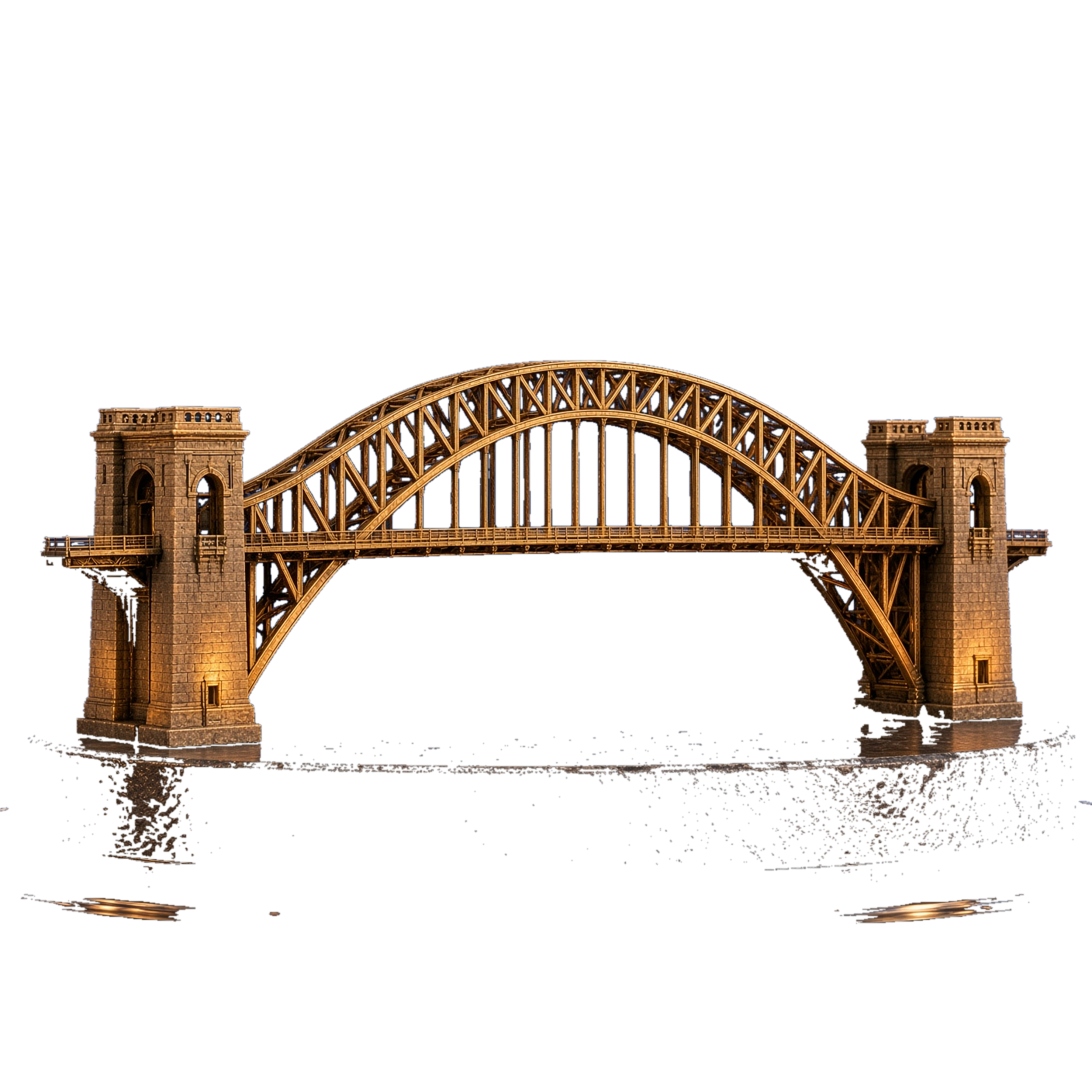
Astoria, New York
40°47′N 73°55′W
03
Nezahualcóyotl
19°24′N 99°01′W
Practice
A self-taught practice. Photography first. Plumbing and mechanical work as a way of reading hidden systems, not as a résumé.
Based in Los Angeles
In practice
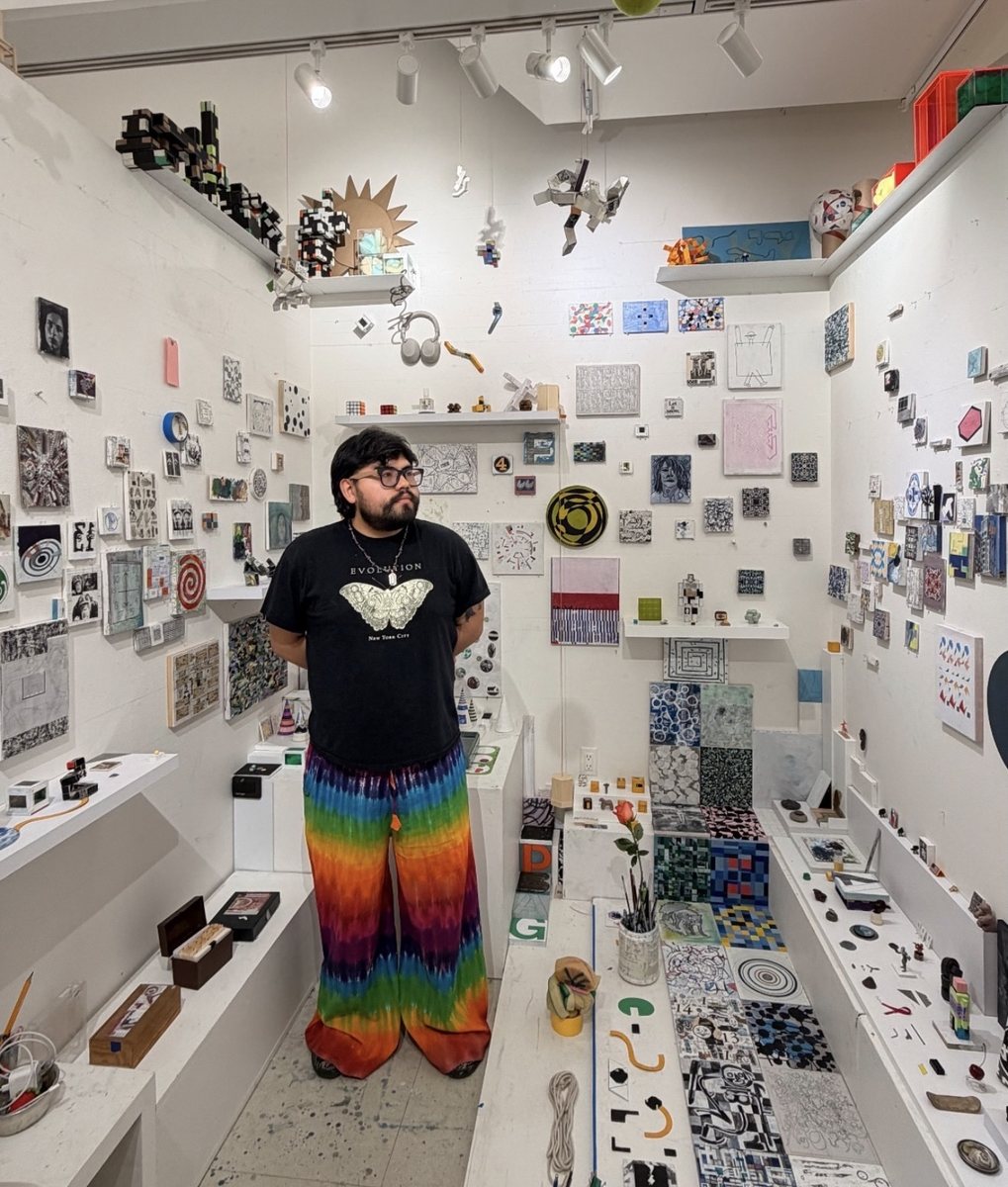
Jeohsua Palma / VLAD is a self-taught interdisciplinary artist working through photography, moving image, visual studies, urban observation, and material research. Years of plumbing and mechanical work trained him to read systems that are usually hidden: flow behind walls, pressure inside lines, failure revealed by stains, sound, temperature, obstruction, corrosion, and rupture.
That practical way of seeing carries into the art. A photograph can be treated like a diagnostic image. A street can be read as infrastructure and archive at the same time. A place-name can hold a history that the contemporary map does not explain.
The work asks what becomes visible when a system fails, when a surface is disturbed, or when memory returns. Photography remains the primary instrument.
Third Place, Citywide Graphic Arts Competition, 2018, Digital Photography
@jeohsua01
Photographs, place-names, stains, scars, ruins, residue, sound, and archival fragments.
02
Water, plumbing, rivers, migration, circulation, speech, pressure, and movement through the city.
03
Breakage, displacement, colonization, obstruction, leakage, loss of transmission, demolition, illness, and failure.
04
Family, place, distant language kinship, community, inherited memory, and the ethics of not collapsing difference.
05
Repair, retrieval, recollection, descent, reassembly, transformation, and coming back changed.
Research
A research layer inside the practice. Not a tribal claim, and not the only subject of the work.
Archive
Where language-family research appears, documented cognates and Southern California place-names are cited. These are studio interpretations, not ceremonial authority and not statements of enrollment or land title.
My familial Mazatec ancestry shapes my personal relationship to Mexico, memory, healing, and spiritual inquiry. Mazatec languages belong to the Oto-Manguean family and are not Uto-Aztecan.
Studio
Language enters the work as evidence of relation across time and distance. Uto-Aztecan is a language family, not one people, one ceremony, or one identity. Related languages can preserve traces of deep historical kinship while remaining culturally and linguistically distinct. The artwork uses that distance as a field of attention: what survives, what changes, what cannot be recovered, and what must remain attributed to the communities that carry it.
Archive
Documented place-names, language-family research, and the distinction between archive, studio, and relation.
Studio
Water, infrastructure, plumbing, construction, pressure, flow, failure, and repair.
Relation
Quetzalcóatl, Mictlan, memory, retrieval, transformation, and personal spiritual inquiry.
Archive
Attested words, historical maps, recorded place-names, published linguistics, community language materials, dates, and sources.
Studio
Composition, image, typography, sound, juxtaposition, interpretation, and personal spiritual response.
Relation
Living nations and communities whose language or land history is touched by the research, and whom the artwork does not speak for.
CLA · TataviamCLA · GabrielinoINALI · MazatecoINAH · MictlanMNA · Quetzalcóatl
Statement
Nezahualcóyotl, Astoria, Los Angeles
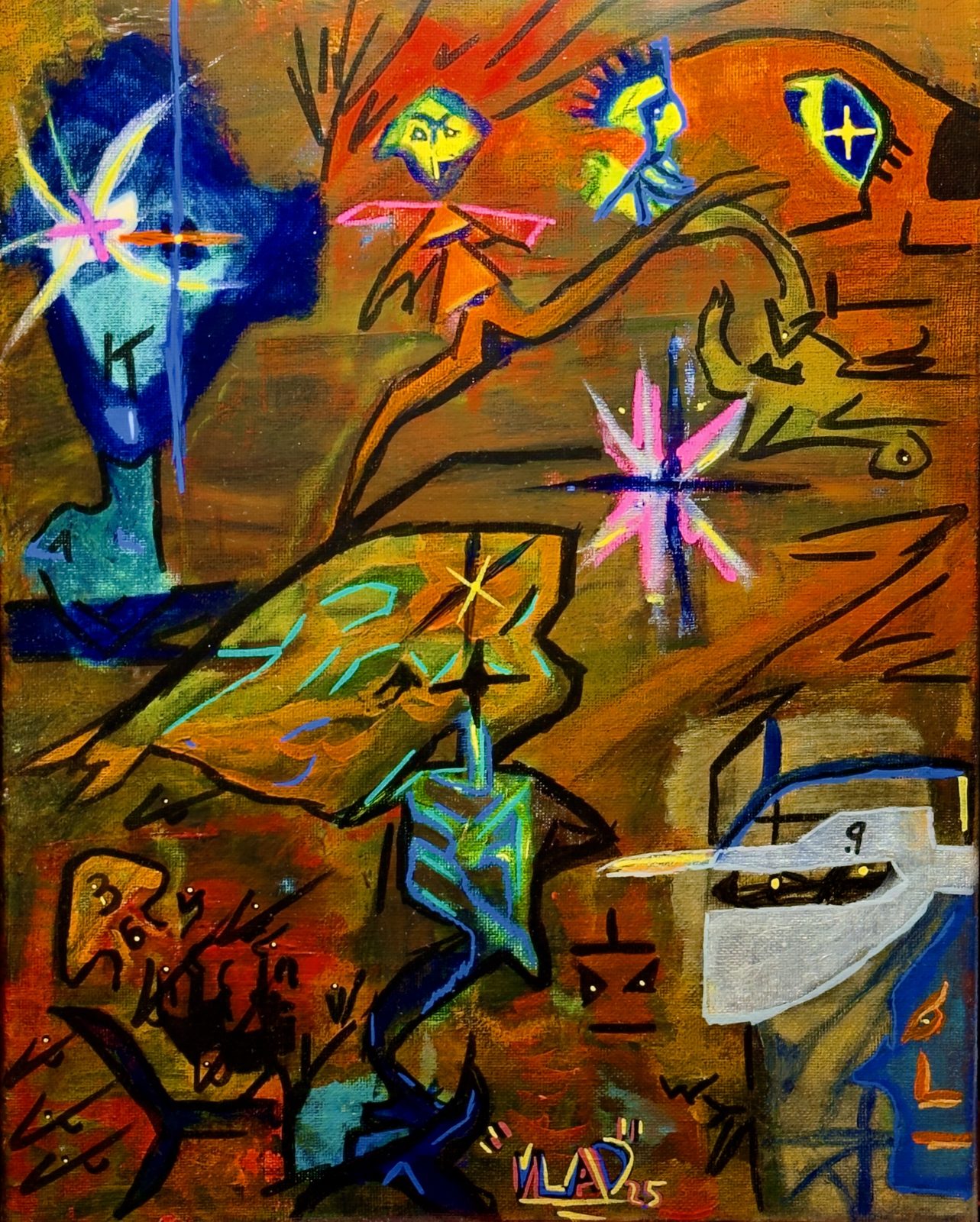
Quetzalcóatl and Mictlan enter my work as structures for thinking about descent and recovery: what must be entered, excavated, or broken open before something buried can return in another form. I approach these traditions through study and personal spiritual interpretation rather than as a claim of ceremonial office.
My practice begins with systems that are easy to ignore until they rupture.
I learned this materially through plumbing and mechanical work. Pressure stays invisible until something leaks. Corrosion hides until a fitting fails. Water follows paths built long before it becomes visible at the surface. That way of reading symptoms changed the way I photograph cities.
I use photography, moving image, field research, and visual studies to trace what remains inside streets, landscapes, bodies, language, and built systems. I am drawn to bridges, pipes, water, construction, religious signs, damaged surfaces, place-names, light, and the small evidence left behind by movement and repair.
My familial Mazatec ancestry belongs to my personal relationship with Mexico, memory, healing, and spiritual inquiry. Separately, I study Nahua and Mexica thought and documented Uto-Aztecan language relationships as historical and philosophical material. I do not treat related languages as a single people, and I do not use linguistic kinship as a claim to tribal authority or land ownership.
Quetzalcóatl returns in the work as a figure of descent and retrieval. Mictlan becomes a way of thinking about what must be entered before something lost can be recovered. In Nahua sources, destinations after death were not one place. These are not decorative symbols to me. They are structures for thinking about memory, death, repair, transformation, and return.
Photography lets me remain with evidence. The camera cannot restore what has disappeared, but it can hold a trace long enough to look again. I am interested in that interval, between damage and repair, archive and invention, what can be documented and what can only be felt.
Jeohsua "VLAD" Palma
Film
Shorts and series, from Neverscoth to the present.
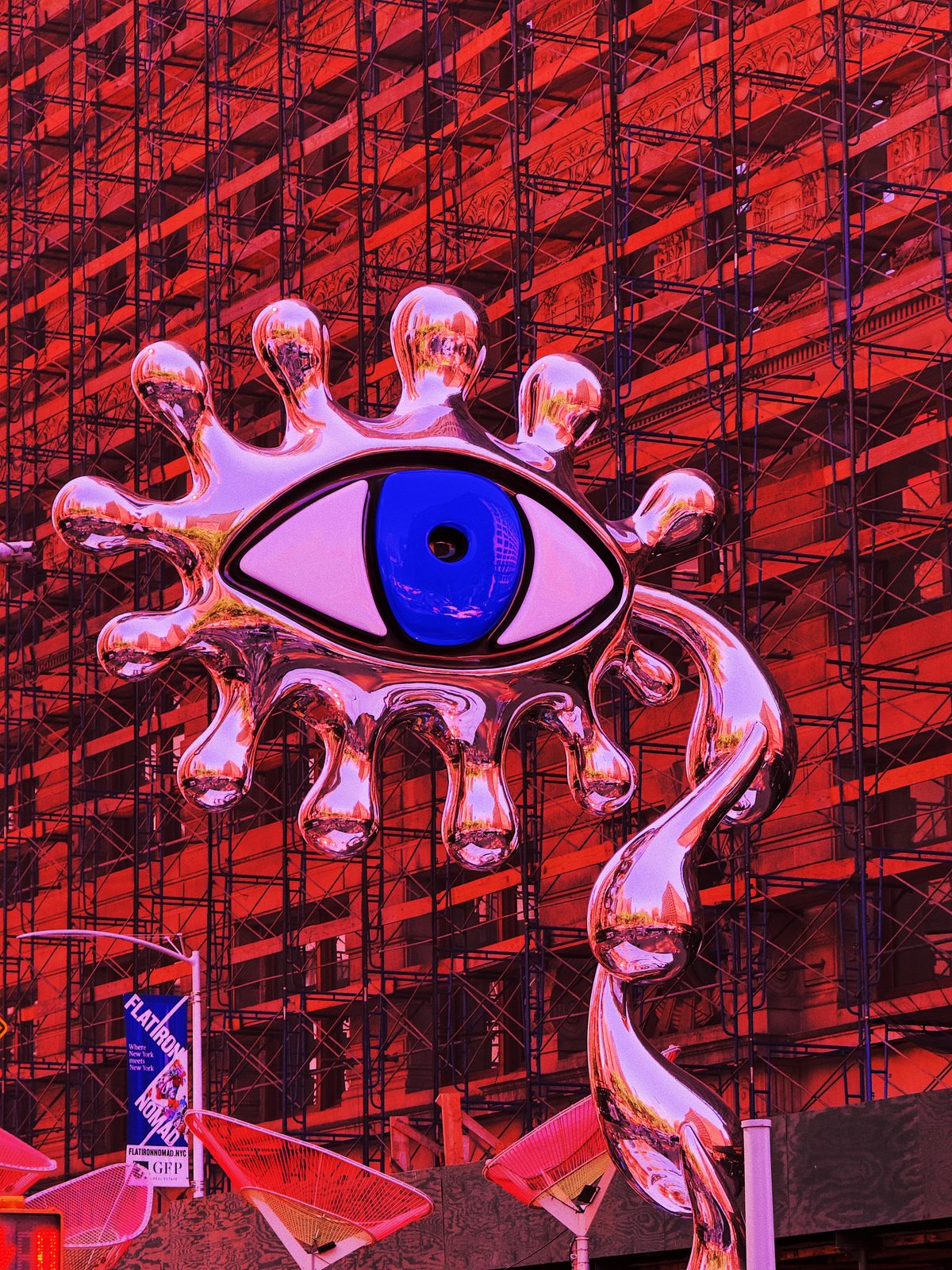
The latest public posts from @jeohsua, kept apart from the studio selection.
01
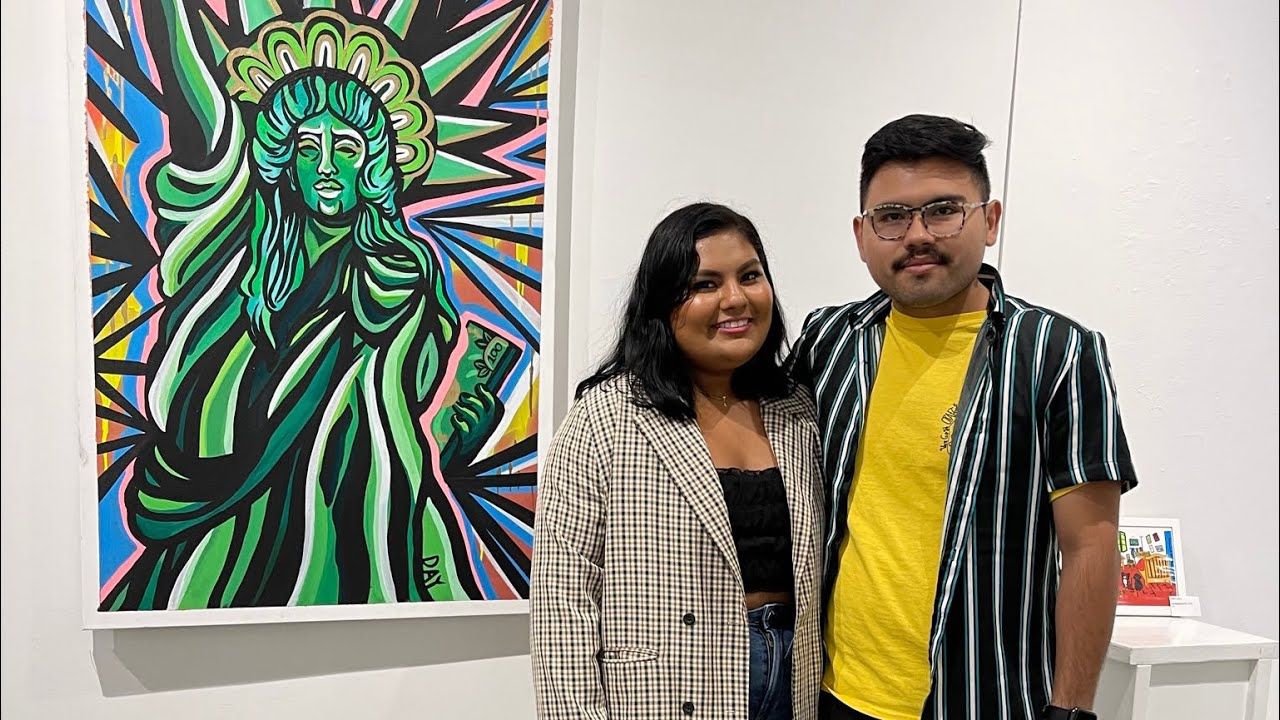
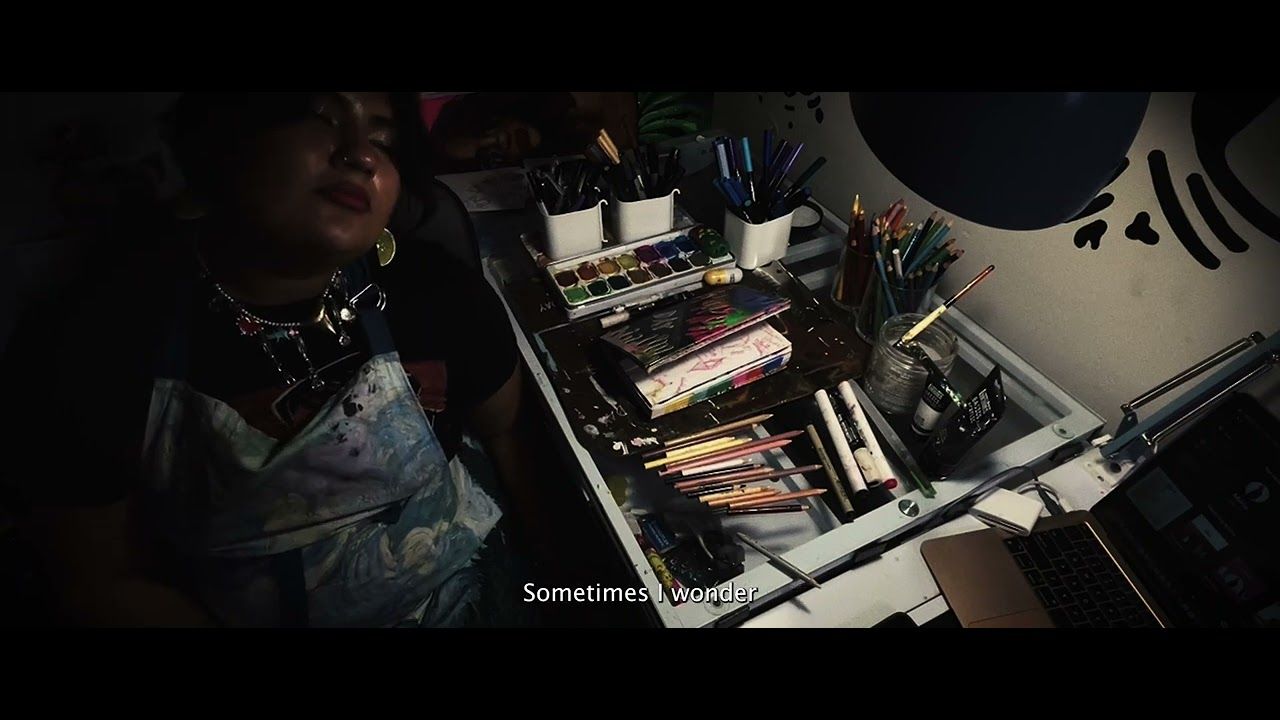
best friend at cal Arts 🧿 🤍 can’t believe we took this crazy journey ✨ This xicana is coming for LA
Contact
Photography, moving image, and research.
Write
NEZA ASTORIA LA
Based in Los Angeles, with roots in Nezahualcóyotl and Astoria. If you have a project, send it.
Also
Linktree
Photographs, films, series, and the longer record.
Based inLos Angeles, CA
Available forPhotography, moving image, research